A few weeks back, I started a small project. Nothing fancy, just me, a notebook, a mic and a simple rule: talk to as many people actually working in finance as possible, and ask them the questions nobody asks in placement cells or LinkedIn posts.
28 conversations later, analysts at JP Morgan, associates at EY, people at boutique consulting firms, a couple of guys running two person finance shops in Tier-2 cities, and I noticed something. The answers weren’t wildly different. Whether someone was sitting in a glass building in BKC or a small office in Nagpur, the same five or six truths kept showing up.

A quick honesty note before we start. A good number of these 28 people couldn’t go on record about their companies, policies don’t allow it, some couldn’t even confirm their designation on paper. But once the recorder felt informal enough, once it felt like two people talking over chai instead of an interview, the answers got real. That’s the version you’re getting here.
This isn’t a “top 10 skills” listicle. This is what actually got said, and what it means for you if you’re a BBA, MBA, or CFA student trying to figure out where the hell to start.
The uncomfortable pattern nobody warned me about
Here’s the first thing that surprised me. Almost nobody talked about their degree.
Not one person, not the JP Morgan analyst, not the EY associate, not the guy at the small NBFC, opened with “I got here because of my MBA” or “my CFA got me the job.” What they talked about instead was what they could actually do the day someone handed them a live problem.
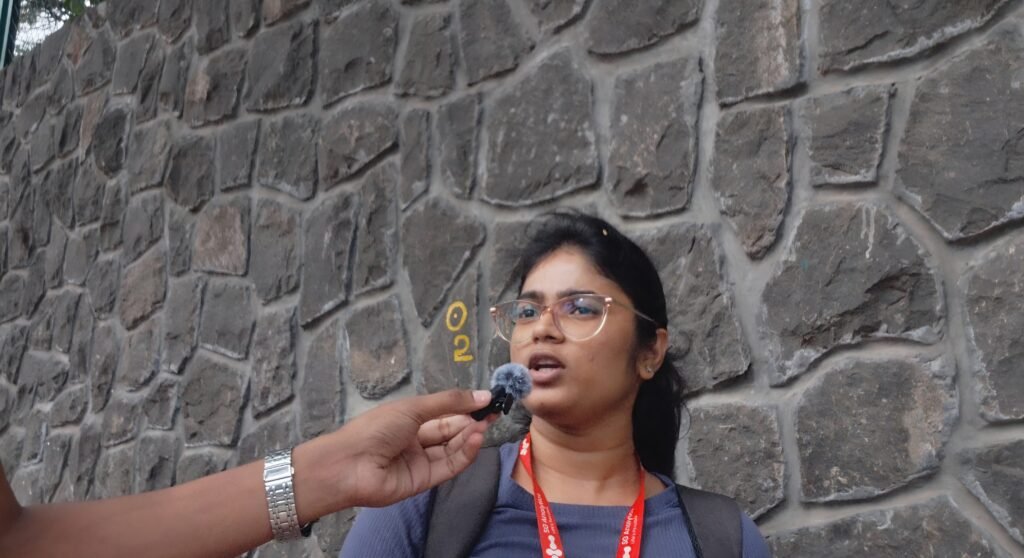
And then there was Soma. She came from an agriculture background, no commerce foundation, nothing you’d expect on a typical finance resume. She told me, quite plainly, that two NISM certifications got her the job. Not a CFA, just two focused, practical certifications and the willingness to actually learn the material properly. Even I was a little surprised hearing that one. It tells you the door is wider than most people assume, if you’re willing to walk in from an unexpected direction.
To be fair though, this doesn’t mean CFA and CA don’t matter. They’re still hugely valued, and in research, asset management, and audit heavy roles, they open doors that stay shut otherwise. The point everyone kept circling back to is that they’re not the only ticket in. They help you get noticed. They don’t replace being useful once you’re inside.
The second pattern, Excel is not optional, and it’s not what you think it is. Not SUM and AVERAGE. People are expected to know VLOOKUP and INDEX-MATCH cold, and a growing number of postings now expect at least basic comfort with automation, VBA, or increasingly, Python for anything touching risk or data heavy roles. One person at a research KPO told me flatly, “If you show up and I have to teach you Excel, you’ve already lost the first three months.”
The third thing, and this one came up almost word for word from three different people at three different firms, was communication. Not “good communication skills” as a resume buzzword. The actual ability to take something complicated and explain it to someone without a finance background in one clean sentence. Every single senior person I spoke to said this is the thing that actually gets you promoted, not the modelling. The modelling gets you hired. The explaining gets you promoted.

Then there’s Prashant Shukla, who works at a big bank and had one of the strongest opinions of the whole project. He’s a firm believer that networking and attitude matter more than almost anything on paper. he told me, “Aditya, I landed at this company because of my potential, backed by networking. Nothing else got me through that door as fast.” He was blunt about it too, telling me to pass this on straight, that people need to step out of their antisocial era and actually meet real people. Stop hiding behind a resume and a cover letter, and start showing up where the conversations are actually happening. H e also highlighted that no matter what the freshers have to constantly upskill themselves to be constantly updated with the industry requirements.

Tejas, who’s at EY, put it in his own words too. “Play your cards in finance,” he said. “Yes, just don’t stop anywhere.” His whole point was that you can’t sit and wait for a Big 4 offer to fall in your lap overnight. You have to keep playing your cards, applying, networking, upskilling, and putting yourself in front of the right people again and again, because nobody hands you a seat at that table for free.

Pritesh told me that be fully prepared for where you’re going to work, they are taking the top class aware skillful candidates and you should be knowing every inch of it. Be aware when an interviewer asks you “Where do you see yourself in 5 years” be prepared for the answer, because this question reveals most of your sides, from skills t0 personality.
What the “unfiltered” part actually looked like
I told everyone upfront, don’t give me the LinkedIn answer. Give me the answer you’d give a junior over chai, off the record. Here’s a chunk of what came back, organised the way it actually happened, real questions, composite answers pulled from across the 28 conversations.
What separates the people who get promoted fast from the people who stay stuck?
This got the most consistent answer of the entire project. It’s not raw intelligence. It’s the people who ask better questions and who flag problems before they become fires. One boutique firm founder said something that stuck with me, “I don’t promote the smartest analyst. I promote the one I don’t have to worry about.”
They talked about importance of answers and financial opinion and what is the difference between a good vs a bad fresher. If you are also struggling to develop your financial opinion, you can reach out to me through the link in below

One honest piece of advice for someone starting out right now?
A director at a big bank gave the most grounded answer here, and it stuck with me the most out of all 28 conversations. He said, start from small, and he promised you’ll find a way. His exact advice was to continuously upskill yourself and get ready to solve the problem in front of you, whatever it is. If you know your work, he said, you’re good to go, no one can stop you. No fancy shortcut, no magic company name, just consistent upskilling and being genuinely ready when the problem lands on your desk.
So how do you actually build this? A rough roadmap
Putting all 28 conversations together, here’s a sane path for 2026, whether you’re doing BBA, MBA, or grinding through CFA levels.
Nail the foundation first. Advanced Excel, reading a full set of financial statements, building a simple three statement model from scratch. Don’t wait till year 3. Pull up an annual report today and start.
Pick one credential, don’t scatter. CFA for research or asset management. CA for tax and audit. MBA for the broader management route. All valued, but none of them is the only ticket in, as we saw with Soma. One done properly beats three half finished.
Learn to explain finance simply. The most underrated skill in every conversation. Explain a stock or a result to a non finance friend in one clean sentence. If it lands, you’ve got it.
Add one technical layer. Basic Python or SQL, especially for risk, analytics, and fintech roles, where packages are climbing fastest right now.
Track markets daily. Not for interviews, for instinct. The fluent ones weren’t the most qualified, they were the ones reading the market every single day.
Network hard, play your cards. Like Prashant and Tejas said. Skip the fifty silent applications. Message people, ask for fifteen minute calls, show up. Potential only counts once someone sees it.
Get one real, verifiable thing on your resume. One internship or model you can defend beats five vague bullet points, every time.
The honest closing thought
If one thing tied all 28 conversations together, it’s this. Finance has stopped rewarding people who look prepared and started rewarding people who actually are. The classroom teaches the theory. Everyone I spoke to, from JP Morgan corner offices to two person firms, learned the real thing the same way, by doing it, messing it up, and doing it again.
That’s the whole philosophy behind everything I make. Finance isn’t learned in a lecture hall, it’s learned in the mess of actually doing it. Start building something real today, even if it’s small. Aditya Raj Shandev, signing off.